Dr. Dorothea Alexander-Friedrich has built a distinguished career in regenerative medicine, underpinned by strong academic training and broad expertise in medical science. She received her biology diploma from Justus-Liebig-Universität Gießen and the doctoral degree from Eberhard Karls University (EKU) Tübingen, Germany.
Early in her career, Dr. Alexander gained valuable experience in various medical fields, such as viral diseases, urolithiasis, and rheumatoid arthritis. Over 15 years ago, Dr. Alexander established a research laboratory within the Department of Oral and Maxillofacial Surgery at University Hospital Tübingen, where she now serves as Head of the Research Laboratory. Her lab is dedicated to regenerative medicine with a primary focus on bone tissue engineering.
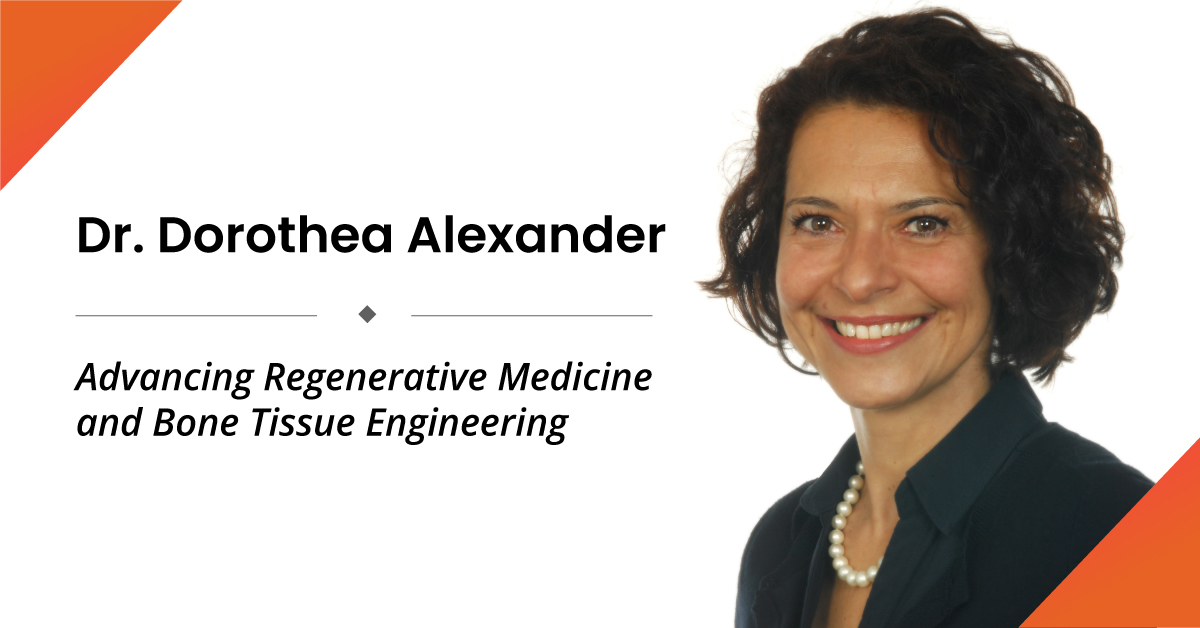
Dr. Alexander’s work in life sciences is driven by a fascination with unraveling complex molecular mechanisms that lead to disease, alongside a commitment to developing solutions to reverse or mitigate these processes. This passion led her to regenerative medicine, a field she describes as innovative, promising, and sustainable, harnessing the body’s natural regenerative abilities to restore lost tissue function.
Dr. Alexander’s focus on bone regeneration began during her doctoral studies on musculoskeletal pathology. With the growing impact of musculoskeletal diseases in aging populations, Dr. Alexander sees bone regeneration as a critical area of research with immense potential to improve patient outcomes and address pressing healthcare needs.
--
abm is thrilled to partner with Dr. Alexander, an exceptional scientist in the field, to make the Tag58 cell line — derived from a healthy adult biopsy and immortalized with the SV40 T antigen — accessible to researchers worldwide!
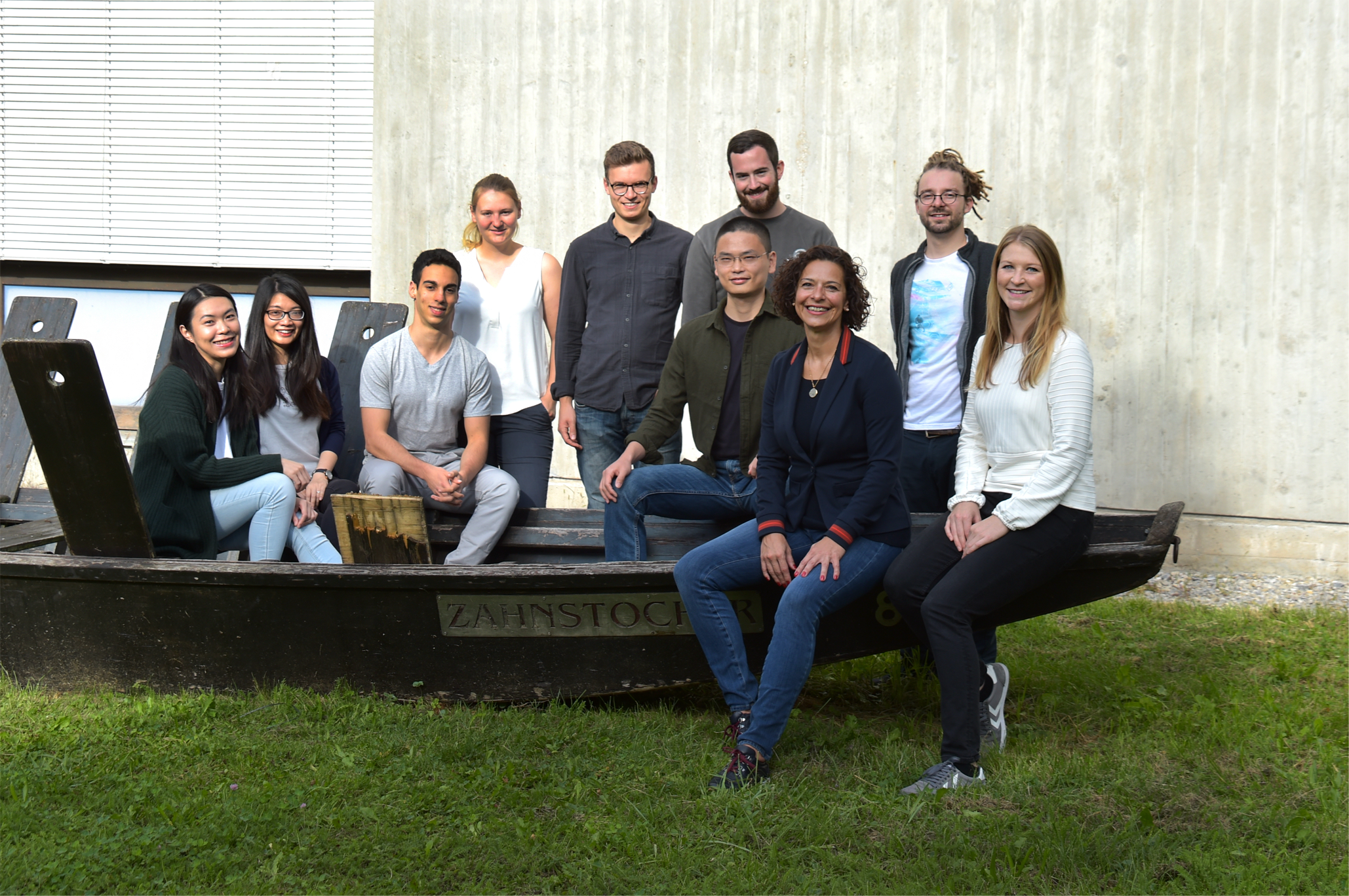
In Dr. Alexander's research on bone regeneration, her team works with primary mesenchymal stromal stem cells isolated from cranial or jaw periosteal tissue. These versatile cells can differentiate into adipocytes, chondrocytes, and osteoblasts, the latter of which are essential for fabricating bone tissue in vitro.
However, primary cells have limited proliferative capacity and their functionality (differentiation capacity) in vitro, restricting their use over time. Additionally, the use of primary tissue requires ethical approvals and patient consent, making the process time-intensive and complex.
To address these limitations, Dr. Alexander and her team developed the Tag58 cell line, an immortalized line derived from cranial periosteum tissue, providing a stable and flexible solution for osteogenic differentiation and bone formation research.
For several decades, there are only 2 osteoblastic cell lines existing on the market: the MC3T3 cell line, derived from the mouse calvaria and the Saos-2 cell line, derived from a human osteosarcoma.
The Tag58 cell line stands out as it is derived from healthy human periosteal tissue, offering a more accurate model of bone tissue without the limitations of animal or tumor-derived cells. Tag58, a novel human-origin osteoblastic cell line, offers researchers a valuable tool for studying bone biology, testing therapies, and advancing regenerative medicine approaches.
Outside the lab, Dr. Alexander enjoys skiing, hiking, traveling, reading, dancing, and immersing herself in cinema and musicals. Dr. Alexander encourages aspiring scientists to stay curious, broaden their horizons and explore the promising and dynamic field of regenerative medicine. With tools such as stem cells, bioreactors, organ-on-a-chip technologies, and 3D printing, this field continues to evolve and drive innovations, including developments like the Tag58 cell line.
Explore Dr. Alexander’s research and publications on ResearchGate, or visit the University Hospital Tübingen website for more information.
Educational resources for life scientists and interviews with scientists/science comunicators in the field.
For more in-depth articles, check out our knowledge base, which covers topics such as CRISPR, Next Generation Sequencing, PCR, Cell Culture, and more.
Blog managed by Applied Biological Materials (abm).
