Dr. Robert W. Sobol's illustrious career in biochemistry and cancer research is a testament to his dedication and passion for scientific discovery. His academic journey began at Temple University School of Medicine, where he earned his PhD in Biochemistry in 1991. He then held several post-doctoral positions at the University of Texas Medical Branch in Galveston and the National Institute of Environmental Health Sciences (NIEHS). In 2002, he started his group at the University of Pittsburgh Cancer Institute (UPCI) and continued his academic journey related to cancer at UPCI for 12 years. From 2014 to 2022, Dr. Sobol was a Professor in the Departments of Oncologic Sciences and Pharmacology at the University of South Alabama (USA) and the Chief of the Molecular & Metabolic Oncology Program at the USA / Mitchell Cancer Institute.
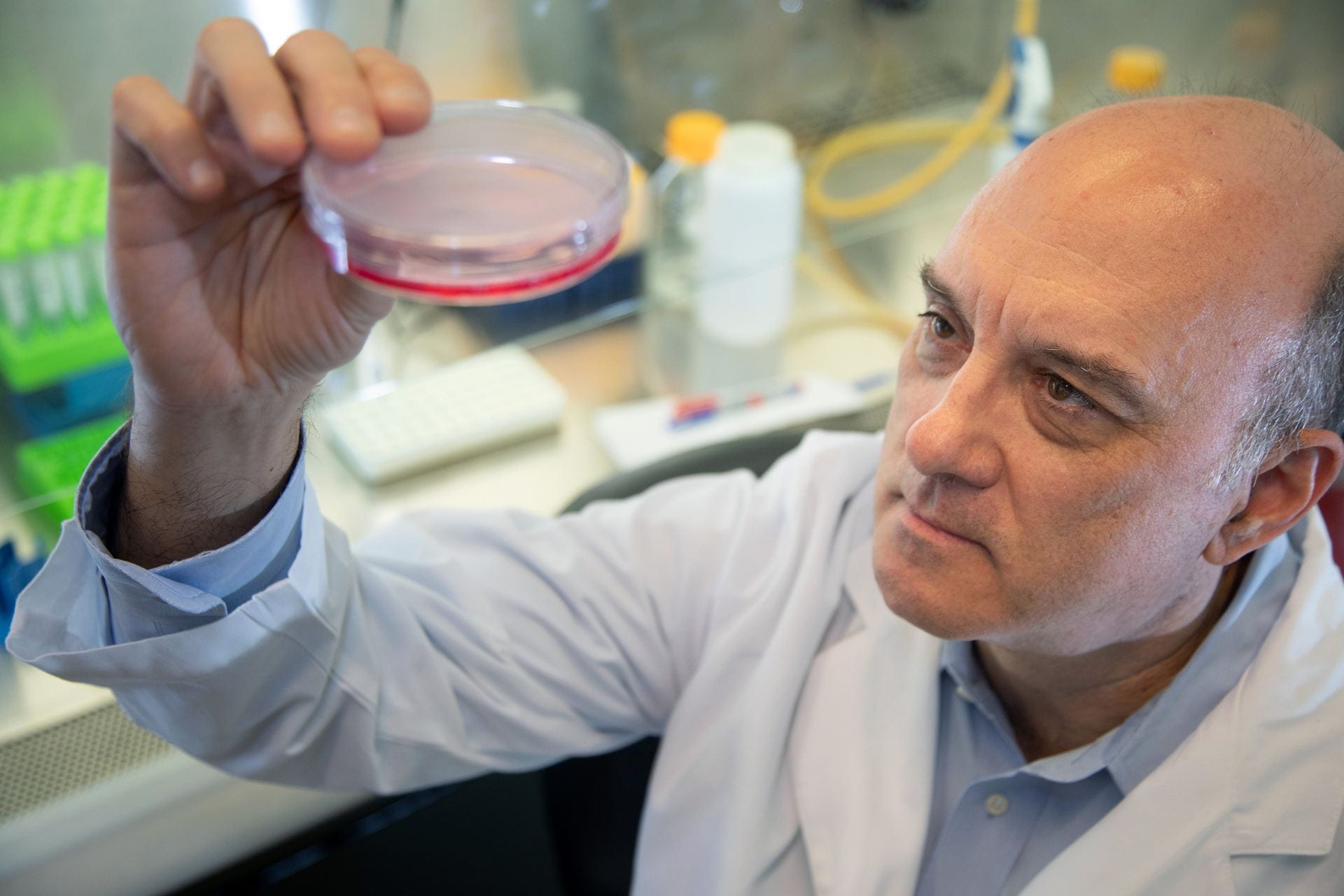
Currently, Dr. Sobol is the Associate Director for Basic Research and the Co-leader of the Cancer Biology Program, Legorreta Cancer Center at Brown University as well as a Professor in the Department of Pathology and Laboratory Medicine, Warren Alpert Medical School, Brown University. His research continues to focus on DNA repair mechanisms, environmental carcinogenesis, and genotoxicity, aiming to identify new drug targets and further our understanding of cancer biology.
--
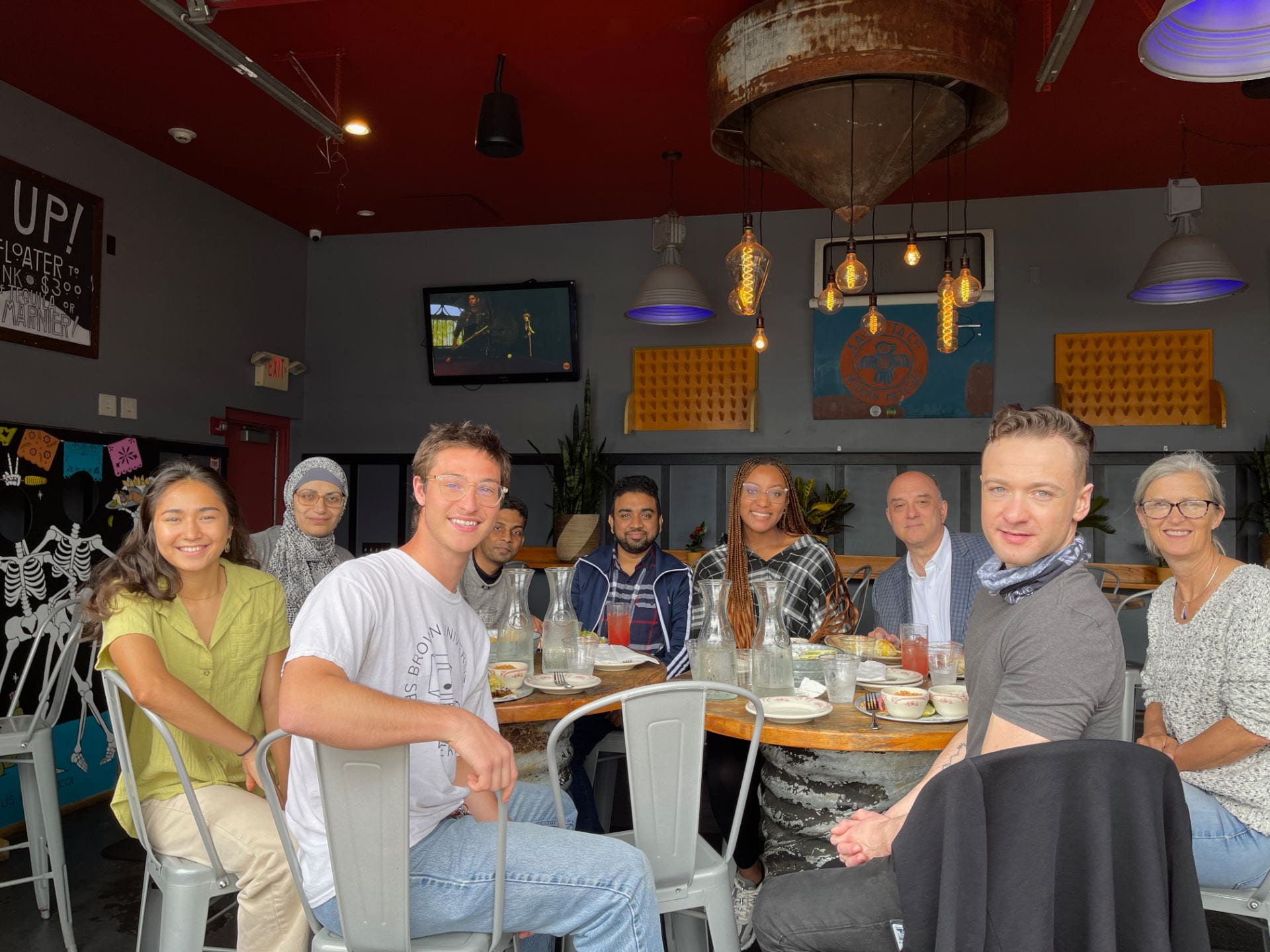
abm is honored to have the opportunity to collaborate with such a great scientist. We are excited to have obtained the licensing rights for six stable mouse cell lines from Dr. Sobol, developed while he was a fellow at NIEHS:
The cell lines mentioned are all mouse embryonic fibroblast (MEF) cell lines that have been genetically modified for specific research purposes in Dr. Sobol's lab. Each cell line has different genetic alterations to study the effects of base excision repair pathway components and DNA damage response mechanisms.
Throughout his career, Dr. Sobol has been deeply involved in the development of genetically modified cell lines. Early in his research, creating these lines involved using mouse models to study specific gene knockouts. These genetically modified lines have been crucial in understanding how cells, both normal and cancer cells, respond to various genotoxic and chemotherapy agents as well as environmental toxins.
These cell lines feature single or dual knockouts of specific DNA repair genes. They all contain a Lambda-LIZ reporter system that allows for straightforward mutation scoring. This unique combination allows for the quantification of mutation frequencies and the impacts of different exposures, making these cell lines essential resources for advancing research in cancer biology and environmental toxicology.
They can also help address various research questions, such as understanding how cells respond to different agents, identifying new drug targets, and investigating the mechanisms of exposure-induced mutations. Researchers can use these cell lines to explore biomarkers of response, study DNA repair pathways, and potentially develop new strategies for drug development in the context of cancer research.
Dr. Sobol's journey from a passionate biochemistry student to a leading cancer researcher underscores his unwavering dedication to advancing our understanding of cancer and improving therapeutic strategies. His work continues to inspire and drive forward the field of cancer research.
As Dr. Sobol's lab continues to innovate, they are developing new reagents and cell lines, expanding the scope of their research. These advancements hold great potential for cancer research, reflecting Dr. Sobol's commitment to translating scientific discoveries into practical applications. Abm is looking forward to further opportunities to enhance our collaboration!
Educational resources for life scientists and interviews with scientists/science comunicators in the field.
For more in-depth articles, check out our knowledge base, which covers topics such as CRISPR, Next Generation Sequencing, PCR, Cell Culture, and more.
Blog managed by Applied Biological Materials (abm).
