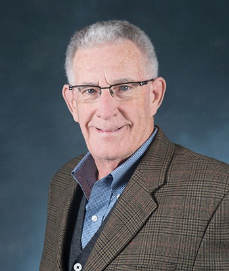
Dr. Thomas N. Seyfried, currently a Professor of Biology at Boston College, has built a remarkable career focused on understanding cancer from a metabolic perspective. He began his academic journey at the University of New England, where he completed his undergraduate studies, and then earned a master’s degree in Genetics from Illinois State University. He received his Ph.D. in Genetics and Biochemistry from the University of Illinois. Following this, he conducted postdoctoral research in the Department of Neurology at Yale University School of Medicine, where he later joined the faculty as an Assistant Professor in Neurology. The diverse academic foundation laid the groundwork for his pioneering research on the metabolic roots of cancer. Dr. Thomas Seyfried research focuses on understanding cancer’s origins, progression, and management.
--
abm is honored to collaborate with Dr. Thomas Seyfried to bring two stable VM mouse cell lines to researchers worldwide:
These cell lines are ideal for testing preclinical drugs targeting metastasis. Tumor incidence is robust at 100%, with all mice becoming moribund within 20–30 days of tumor implantation.
Highly invasive/metastatic cells in any solid tumor are of myeloid/mesenchymal origin and possess macrophage properties. These cells can intravasate and extravasate between the tumor mass, blood, and other tissues. When implanted subcutaneously, VM-M3 cells metastasize to various organs in mice, making this the only representative ideal syngeneic metastatic model in mice. Demonstrating metastatic characteristics through tail vein injection of cancer cells in mice does not accurately represent the behavior of metastatic cells. In brain tumors, cell populations can migrate from one side to the other in implanted mouse brains, appearing to stream out from the main brain tumor mass, as seen in human glioblastoma multiforme (GBM).
These cancer cell lines are highly glucose and glutamine dependent, making them an appropriate preclinical model to represent prototypical tumor cell metabolism. Glutamine dependency has been shown for the VM-M3 cell line, which can be exploited by metabolic targeting.
The in vivo host for these cells is the VM/Dk mouse strain, which is also available to investigators for growing the cells in a syngeneic host.
Derived from spontaneously arising tumors in the inbred VM/Dk mouse strain, these lines are powerful tools for studying cancer’s aggressive behavior and response to chemotherapeutic and metabolism-based treatments.
In preclinical studies, Dr. Seyfried’s team utilized these cell lines to represent metastatic behavior under combined diet-drug metabolic targeting. Similarly, in a recent preprint publication, the cell models were tested in juvenile mice with therapies aimed at managing childhood brain cancer.
Additionally, Dr. Seyfried and his fellow researchers examined how cancer cells use glutamine-driven mitochondrial substrate-level phosphorylation to fuel malignant growth and maintain ATP levels in both mouse and human glioma cells. These findings support the idea that mitochondrial metabolic dysfunction is central to the process of tumorigenesis. According to Dr. Seyfried’s research, insufficient mitochondrial function in cancer cells forces a reliance on glucose and glutamine fermentation for ATP synthesis. This metabolic dependency opens new pathways for cancer treatments aimed at disrupting cancer cells’ fuel sources.
Dr. Seyfried’s dedication to his work is fueled by a commitment to scientific integrity and the potential of metabolic research to transform cancer treatment. His research extends beyond academic exploration, aiming directly at translating research insights into better patient outcomes.
Dr. Seyfried has published over 200 peer-reviewed papers and is the author of Cancer as a Metabolic Disease: On the Origin, Management, and Prevention of Cancer (Wiley Press). His research has been featured in numerous podcasts, radio shows, and the documentary The Cancer Revolution. For those interested, a full list of Dr. Seyfried’s publications is available on PubMed. abm looks forward to continued collaboration to drive progress in understanding and treating cancer!
--
Educational resources for life scientists and interviews with scientists/science comunicators in the field.
For more in-depth articles, check out our knowledge base, which covers topics such as CRISPR, Next Generation Sequencing, PCR, Cell Culture, and more.
Blog managed by Applied Biological Materials (abm).
