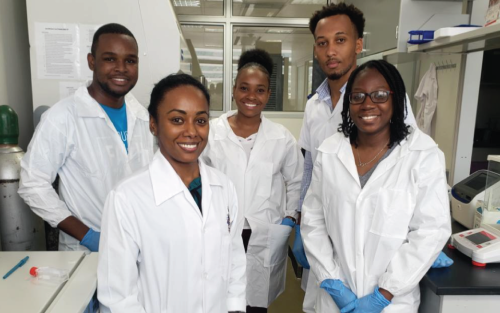
Dr. Simone Badal began her academic journey at The University of the West Indies (UWI), Mona, earning a B.Sc. in 2003, followed by an M.Phil. in 2005. She subsequently worked as a Research Assistant at the Tropical Metabolism Research Unit. She obtained an MBA from the University of Wales, Cardiff, in 2007, before returning to UWI to complete her Ph.D. in 2012. In 2013, she undertook a transformative postdoctoral fellowship at Clemson University, where she further honed her expertise in cell culture techniques. Upon returning to UWI, she established the Anticancer Research Cell Culture Lab and progressed from Lecturer to Senior Lecturer (Tenured) in the Department of Basic Medical Sciences.

Dr. Badal's research journey spans biochemistry, pharmacognosy, and cancer research. She was drawn to biochemistry and cancer research for its unique combination of scientific rigor and its potential to directly impact human health. She is motivated by the opportunity to contribute to understanding and treating diseases that affect many lives, particularly within underserved populations.
A key focus of Dr. Badal’s research is developing novel cancer cell lines from diverse populations, particularly those of African ancestry who are historically underrepresented in research. Such work is essential for understanding cancer disparities and developing more effective, personalized treatments. The successful development of ACRJ-PC28, the first Caribbean prostate cancer cell line, represents a significant milestone in her mission.
--
abm is honored to collaborate with Dr. Badal, a distinguished scientist in the field, to make the ACRJ-PC28 cell line accessible to researchers worldwide.
During her Ph.D., Dr. Badal identified several promising Jamaican natural products with anticancer properties. However, she realized that the cell lines used in her research were all Caucasian, revealing a significant gap in cancer research. This realization became a catalyst for her commitment to developing more diverse cell lines.
The creation of ACRJ-PC28 stemmed from the need for more representative cell lines in cancer research, particularly given the high prostate cancer mortality rates among men of African descent. Dr. Badal's lab, ACRJ (AntiCancer Research Jamaica), is focused on creating cell lines that reflect the global diversity of populations, addressing disparities in cancer research and treatment.
ACRJ-PC28 represents a groundbreaking addition to prostate cancer research, particularly as the first cell line derived from the Caribbean region, where prostate cancer mortality rates are among the highest globally. Notably, ACRJ-PC28 is AR-negative with neuroendocrine features, while also expressing both basal (CK5, p63) and luminal (CK18) markers.
ACRJ-PC28 also maintains functional p53 and pRB pathways, grows efficiently with a 45-hour doubling time, and forms organized spheroids in 3D culture. As a valuable transitional model, its molecular profile confirms 97% African ancestry and includes therapeutically targetable mutations, specifically a rare mutation in the ATM gene.
ACRJ-PC28 provides researchers with a powerful tool to study prostate cancer disparities affecting men of African descent, explore the development of neuroendocrine prostate cancer, screen novel therapeutic compounds (as demonstrated by Cannabis extract studies), and conduct comparative analyses with existing cell lines. Its unique characteristics make it ideal for investigating targeted treatments for aggressive prostate cancer variants and understanding therapy resistance.
The Caribbean origin of ACRJ-PC28 also addresses biological and healthcare disparities in prostate cancer research, particularly for underrepresented populations of African descent who bear a disproportionate burden of the disease.
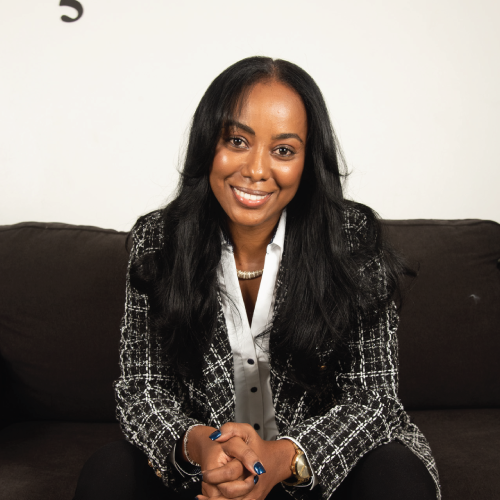
Dr. Badal is deeply committed to community service and founded the ACRJ Foundation to support students who have dropped out of high school, helping them continue their education through funding for tuition and examination costs.
In addition to her impactful community work, Dr. Badal authored the memoir "No Cell Left Behind" (2023), where she recounts her journey in cancer research and cell line development.
When advising students considering a career in life sciences, Dr. Badal offers the following guidance:
Explore Dr. Badal’s research and publications on Google Scholar, or visit the Anticancer Research Cell Culture Lab for more information.
--
Educational resources for life scientists and interviews with scientists/science comunicators in the field.
For more in-depth articles, check out our knowledge base, which covers topics such as CRISPR, Next Generation Sequencing, PCR, Cell Culture, and more.
Blog managed by Applied Biological Materials (abm).
