We recognize science can seem difficult to young scientists, and we hope to raise awareness about people who make it fun and accessible to broader audiences through social media, #SciComm!
--
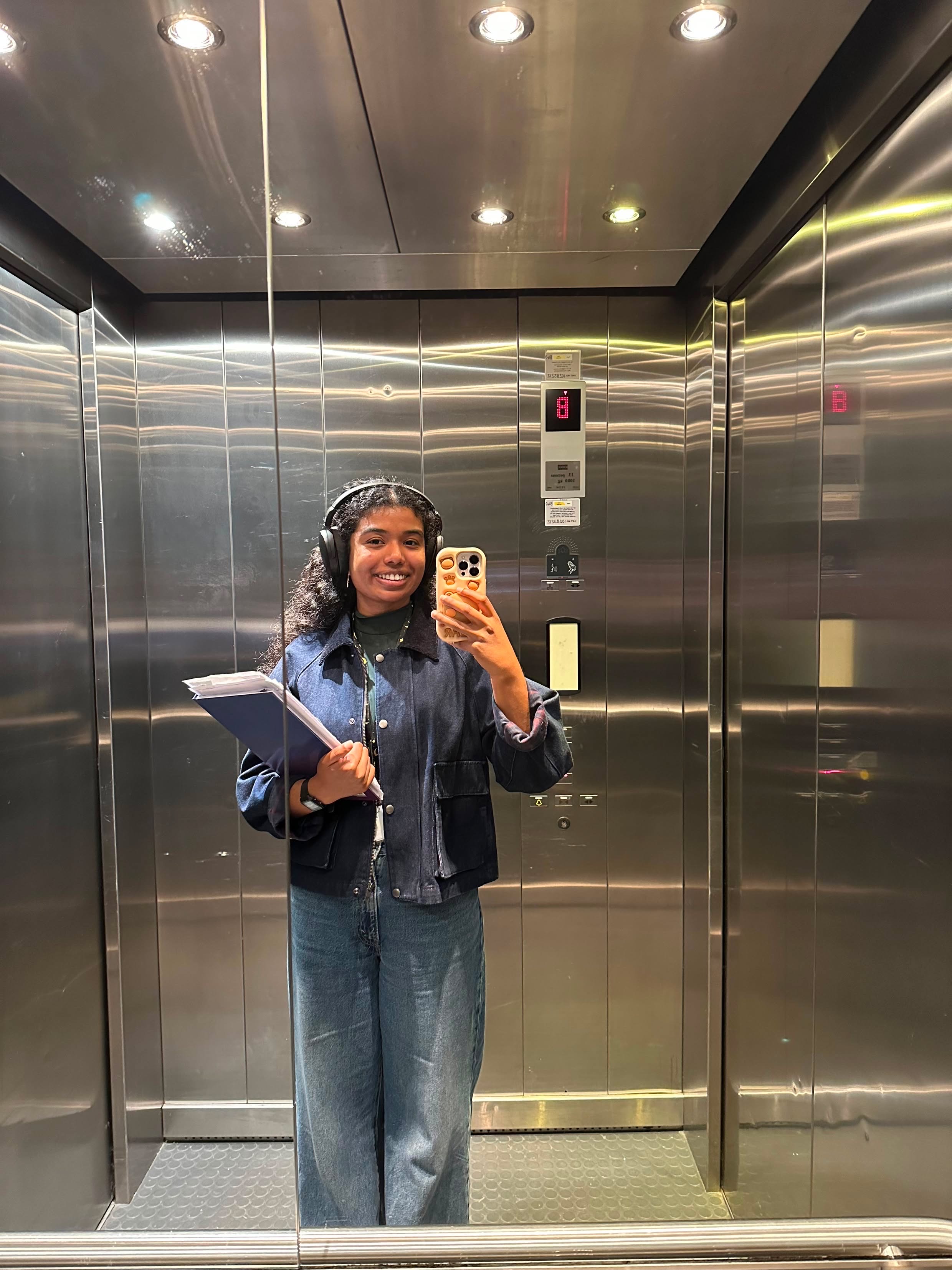
Science is driven by curiosity, perseverance, and the desire to answer questions that could change lives. For this edition of #SciComm Spotlight, we spoke with Anupa (@neuronerds_phd), a neuroscience PhD student whose research explores one of the biggest unanswered questions in Alzheimer's disease: Why are women twice as likely to develop the disease as men?
Beyond the lab, Anupa is passionate about making science more accessible. Through her Instagram, she shares an honest look at the realities of PhD life—from troubleshooting experiments and learning new techniques to offering practical advice for students considering a career in research. We caught up with Anupa to learn more about her research, what life in the lab is really like, and the lessons she's learned along the way.
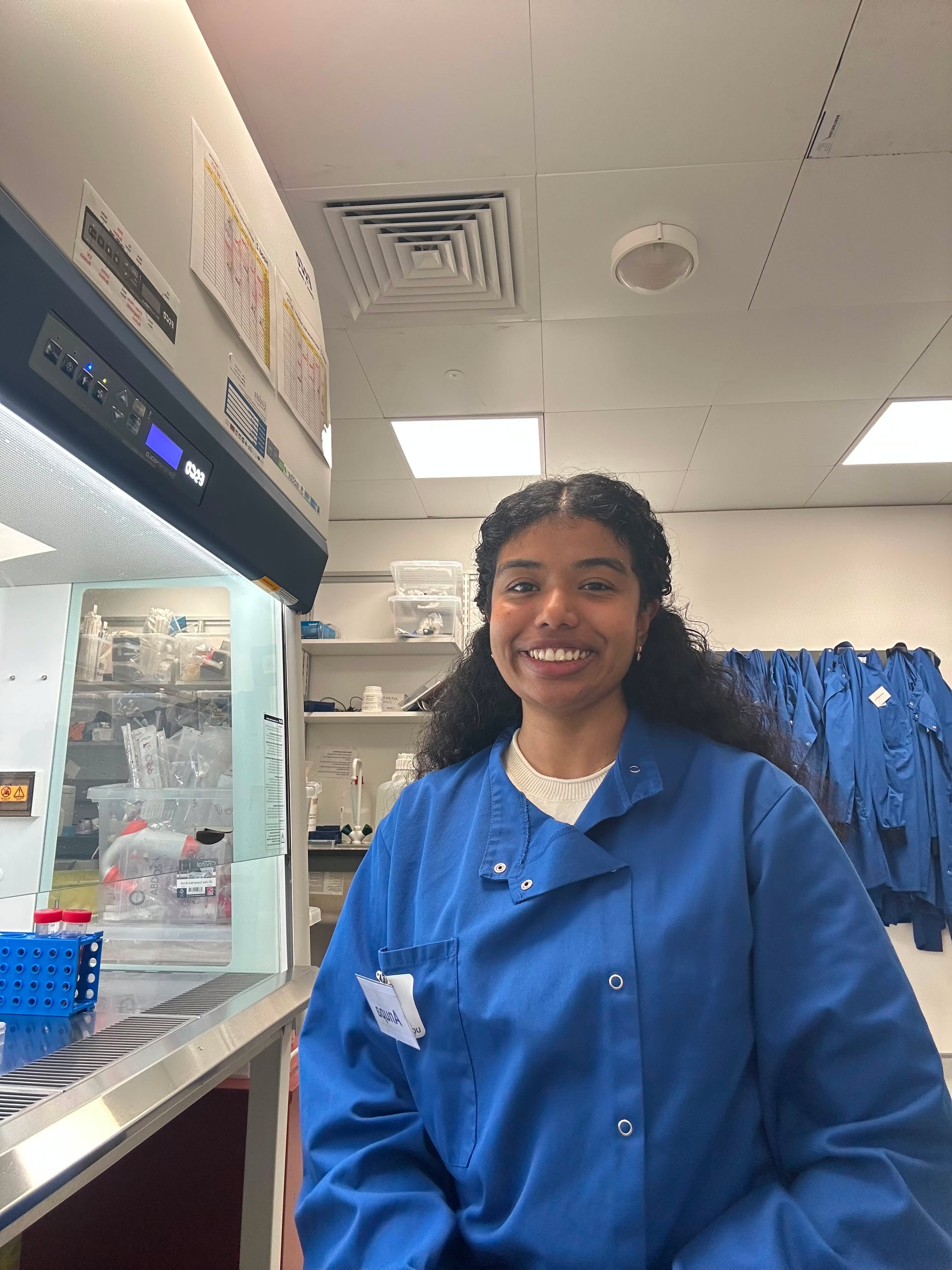
Q: Can you explain your research focus in simple terms for someone outside of science?
I research the sex differences we see in Alzheimer's disease, where women are twice as likely to develop the disease as men. My research group is trying to understand the biological differences in the brain between male and female Alzheimer's patients that might explain why this happens.
As we move further into the era of personalized medicine, understanding these differences is becoming increasingly important. The more we know about how diseases affect different patient groups, the better we can develop treatments that are tailored to their specific needs.
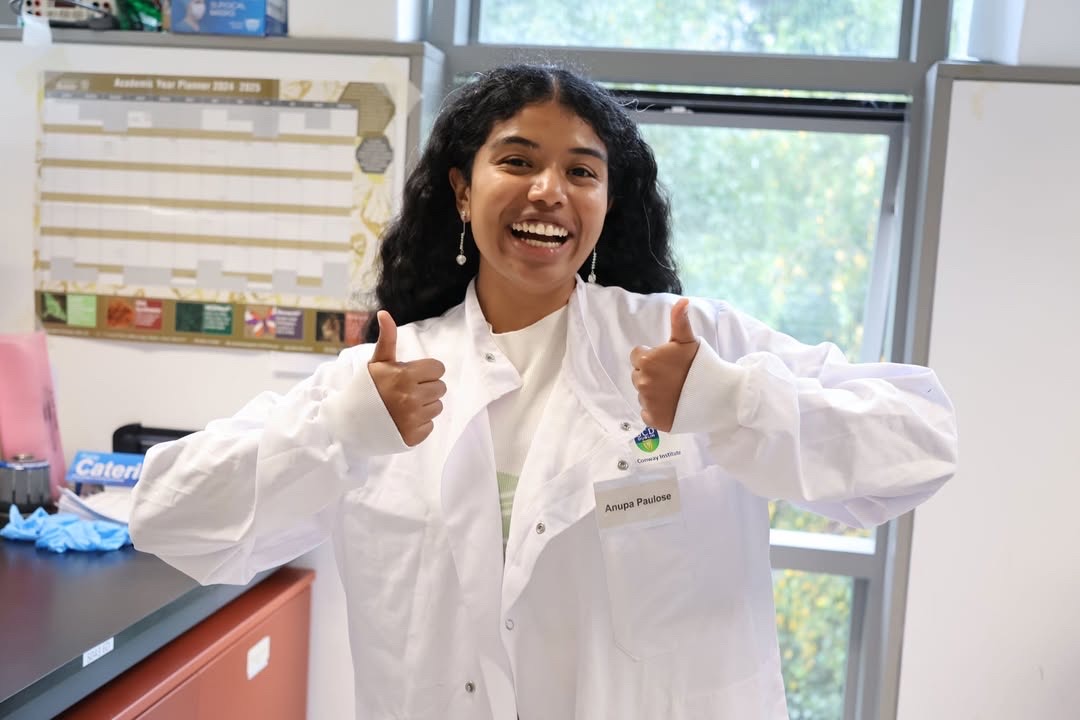
Q: What does your day-to-day work actually look like beyond the highlight moments?
A LOT of troubleshooting! A lot of my day is spent troubleshooting experiments—honestly, probably about half of my time in the lab! But when everything finally works, it's one of the best feelings ever. (Flashbacks to finally getting my western blots working in 2024!)
Outside of the lab, I spend a lot of time writing risk assessments, SOPs, and other administrative documents that somehow always seem to take longer than expected. I also mentor undergraduate and master's students throughout the year, which has been a great way to develop my teaching skills while supporting students as they gain confidence in the lab.
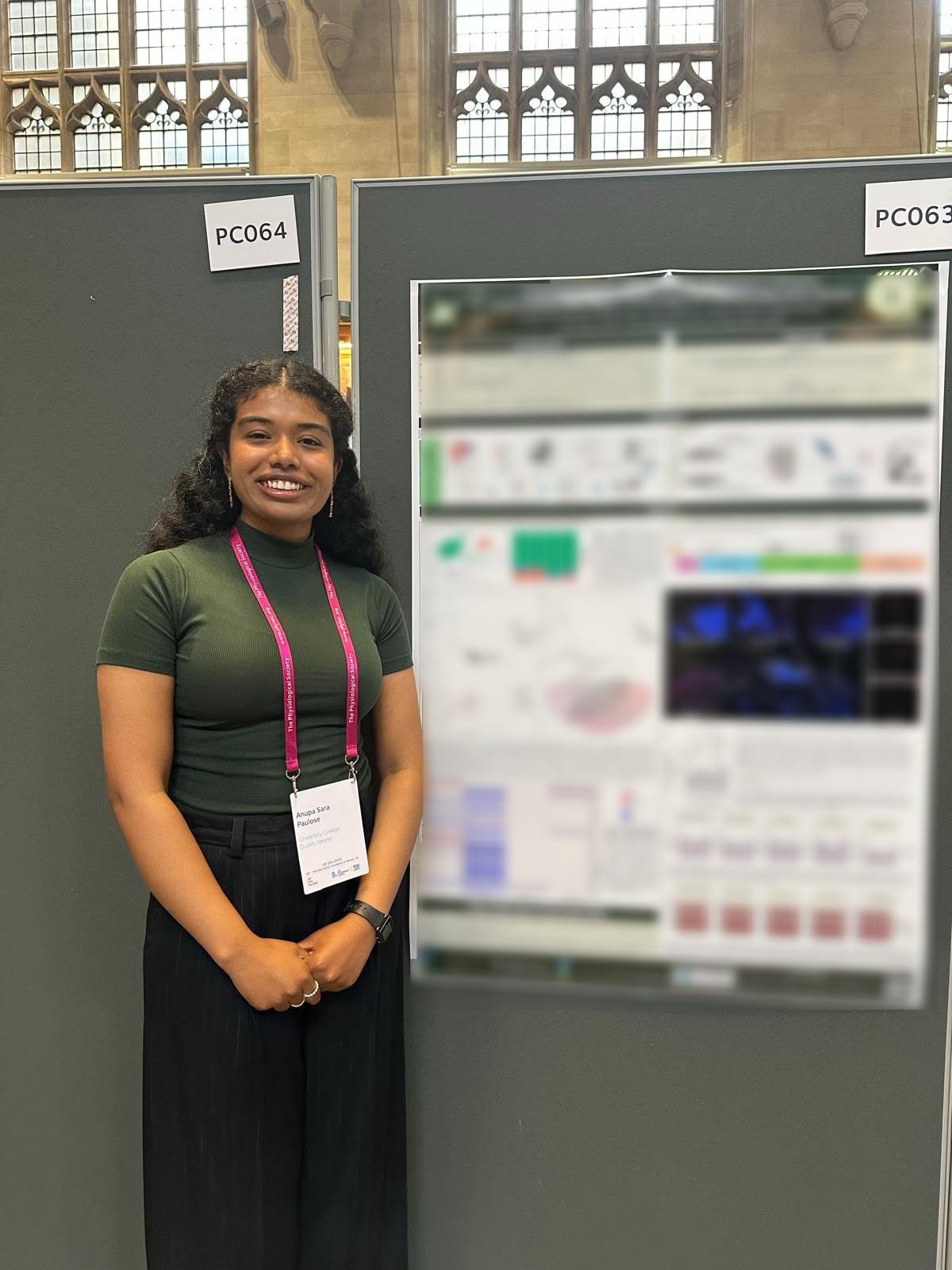
Q: What motivated you to start sharing your experiences in science on Instagram?
When new undergraduate students joined our lab, I noticed that many of them wanted to pursue a PhD but had no idea where to start. It reminded me of myself before I began—I had no clue what doing a PhD involved or even how to apply for one. It all felt a bit out of my reach and, honestly, quite overwhelming.
That's what inspired me to start my page. I wanted to help demystify the PhD journey and make it feel more accessible. It began with posts about how different PhD students got into their programmes, what their interview processes were like, and the different paths they took into research. Since then, it's grown into a space where I share snippets of day-to-day life as a PhD student, along with lab techniques, practical tips, and advice for anyone considering a career in research.
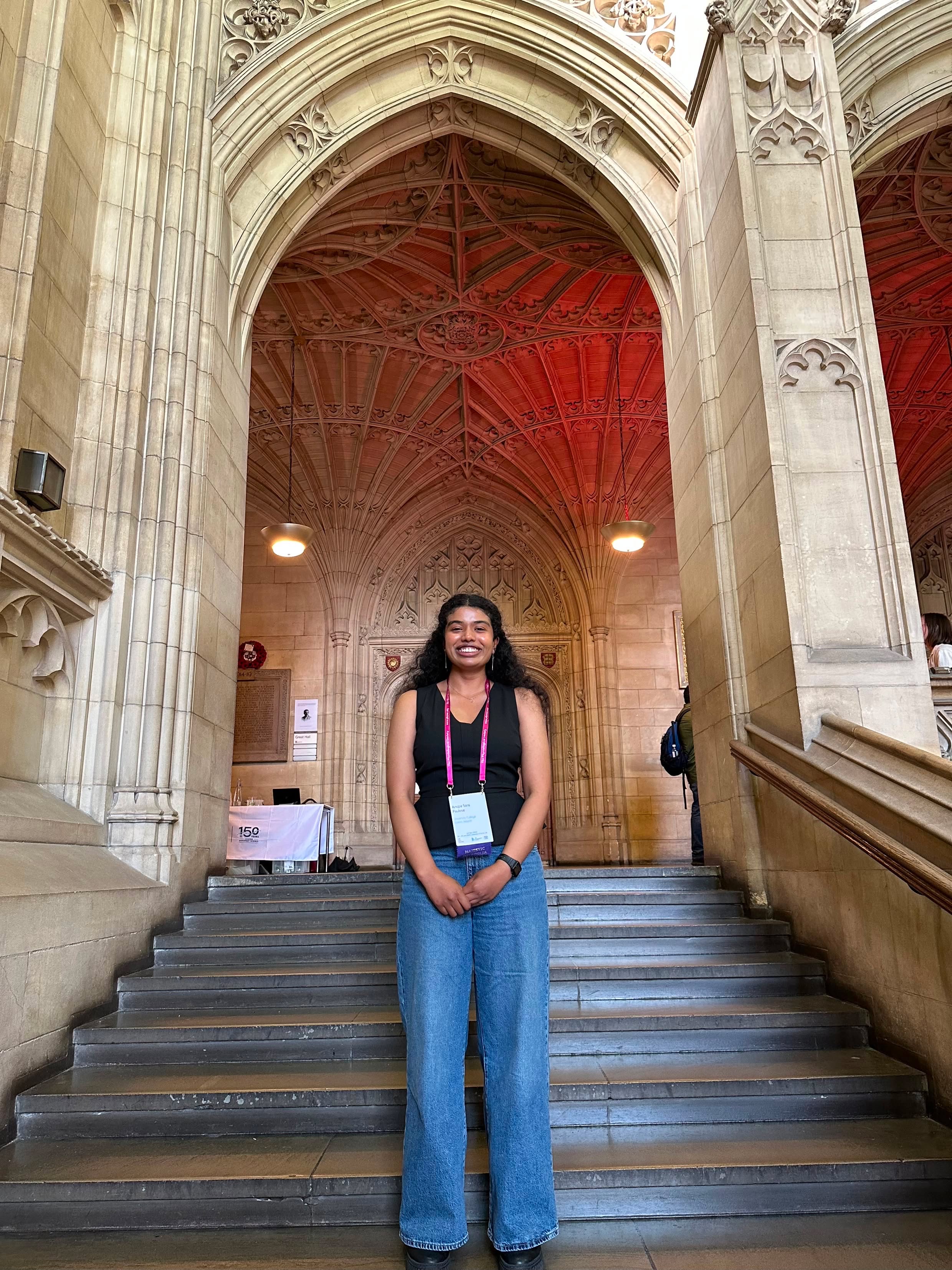
Q: What's something about academic science that you wish early-career researchers were more prepared for?
I think one of the biggest things is just how much failure is a part of science. There will be days, weeks, or even months where you've spent hours in the lab, stayed late, and still have no data to show for it. It can be really frustrating, especially when you compare yourself to others and feel like everyone else is making progress.
Over time, though, I've realized that failing is simply part of doing science. Not every experiment is going to work, and that's okay. Some of the biggest lessons come from the experiments that don't go to plan, and every setback teaches you something that helps you move forward.
Q: What originally sparked your interest in science, and how did that evolve into where you are today?
I think my interest in science started in my biology classes at secondary school. It really is true what people say—that one great teacher can make all the difference.
I was lucky enough to have one of the kindest biology teachers, who always encouraged me to ask questions and be curious. I used to feel like I was being a burden if I didn't understand something in class, but she completely changed that mindset. She always said that the best thing a scientist can do is ask questions, and that really stuck with me.
From there, I chose to study science at university, and my interest just kept growing. The more I learned, the more I realized how much I enjoyed research, and I honestly can't imagine doing anything else right now.
Final Thoughts
A big thank you to Anupa for taking the time to share her experiences and insights into life as a neuroscience PhD student.
From investigating sex differences in Alzheimer’s disease to supporting and inspiring early-career researchers through her outreach, her work highlights both the challenges and rewards of scientific research, and the importance of making science more accessible to everyone.
Follow Anupa's journey on Instagram for an authentic look at life as a neuroscience PhD student, practical research tips, and plenty of behind-the-scenes moments from the lab.
--
If you'd like to be featured, message us on our instagram channel, @abm_good!
Educational resources for life scientists and interviews with scientists/science comunicators in the field.
For more in-depth articles, check out our knowledge base, which covers topics such as CRISPR, Next Generation Sequencing, PCR, Cell Culture, and more.
Blog managed by Applied Biological Materials (abm).
