We recognize science can seem difficult to young scientists, and we hope to raise awareness about people who make it fun and accessible to broader audiences through social media, #SciComm!
--
This week, we’re excited to feature Dr. Sherine Cheung (@elevatephd), a bioengineer, R&D scientist, and founder of Elevate PhD! Sherine’s work sits at the intersection of biotechnology, science communication, and career development, helping women STEM PhDs navigate the transition from academia to industry.
From her early research experiences in synthetic biology at UC Berkeley to her work developing DNA diagnostics and leading R&D projects in biotech, Sherine has built a career focused on innovation and supporting the next generation of scientists.
Through Elevate PhD, Sherine shares the lessons she learned while moving from academia into industry — helping scientists better understand career growth, confidence, and the skills needed beyond the lab.
Let’s dive into her story and learn more about her journey in science, her passion for science communication, and why supporting scientists beyond research matters!
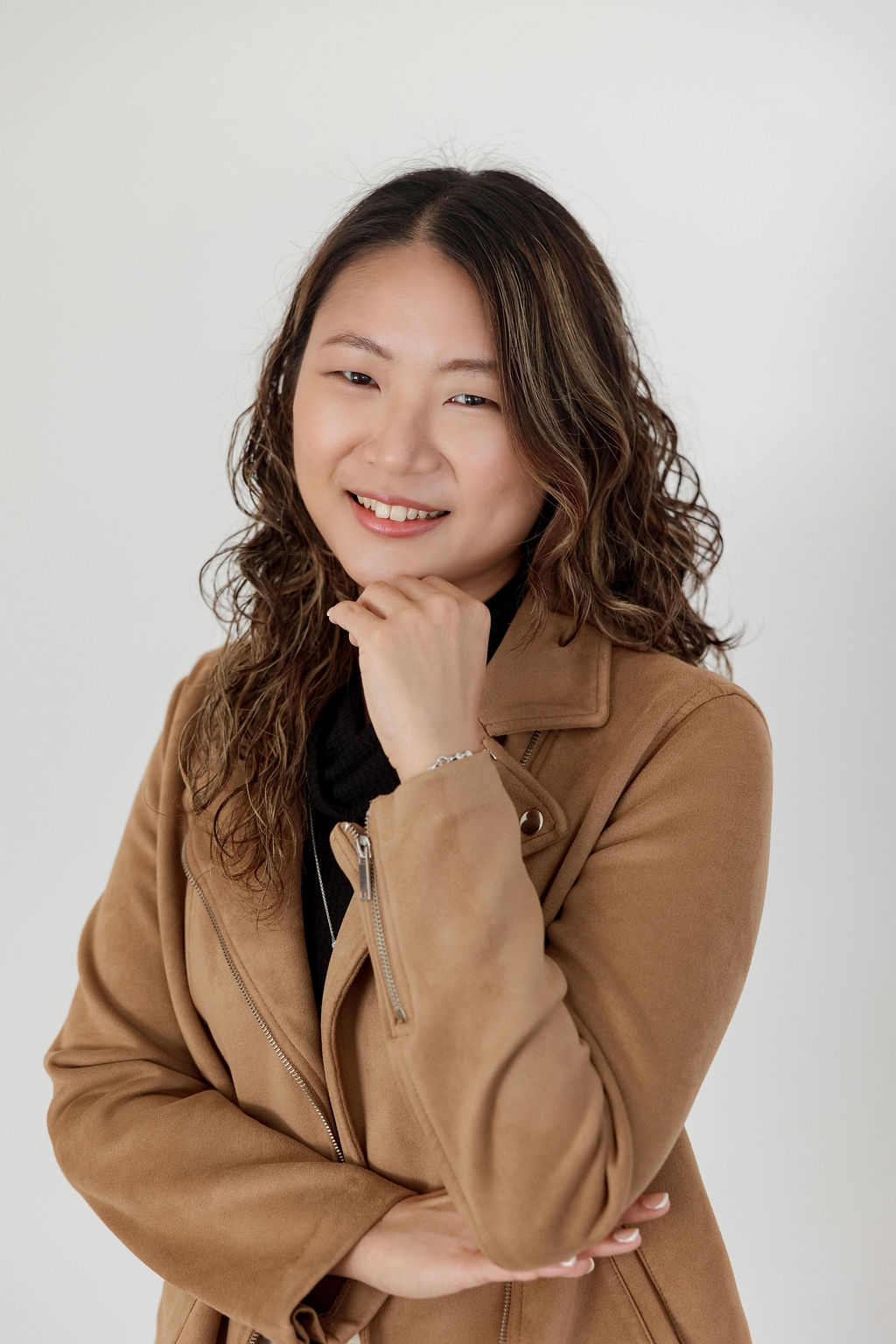
Q: Welcome to our #SciComm series, Sherine! Can you tell us about your academic and professional journey?
Hello, I’m Sherine! 👋
I was first introduced to research as a high school student through an internship at UC Berkeley. I spent two summers at a synthetic biology lab in the Bioengineering Department and absolutely fell in love with research. I was fascinated by the creativity and problem-solving aspects of science, which inspired me to pursue bioengineering further at UC San Diego and continue into a Ph.D. program at UCLA.
During my Ph.D. at UCLA, my thesis focused on developing point-of-care DNA diagnostics. After defending, I continued using my expertise in DNA amplification as an R&D scientist and team lead in the San Diego biotech industry.
Alongside my work as a scientist, I also created Elevate PhD — a platform dedicated to helping women STEM PhDs navigate careers in industry with more clarity and confidence.
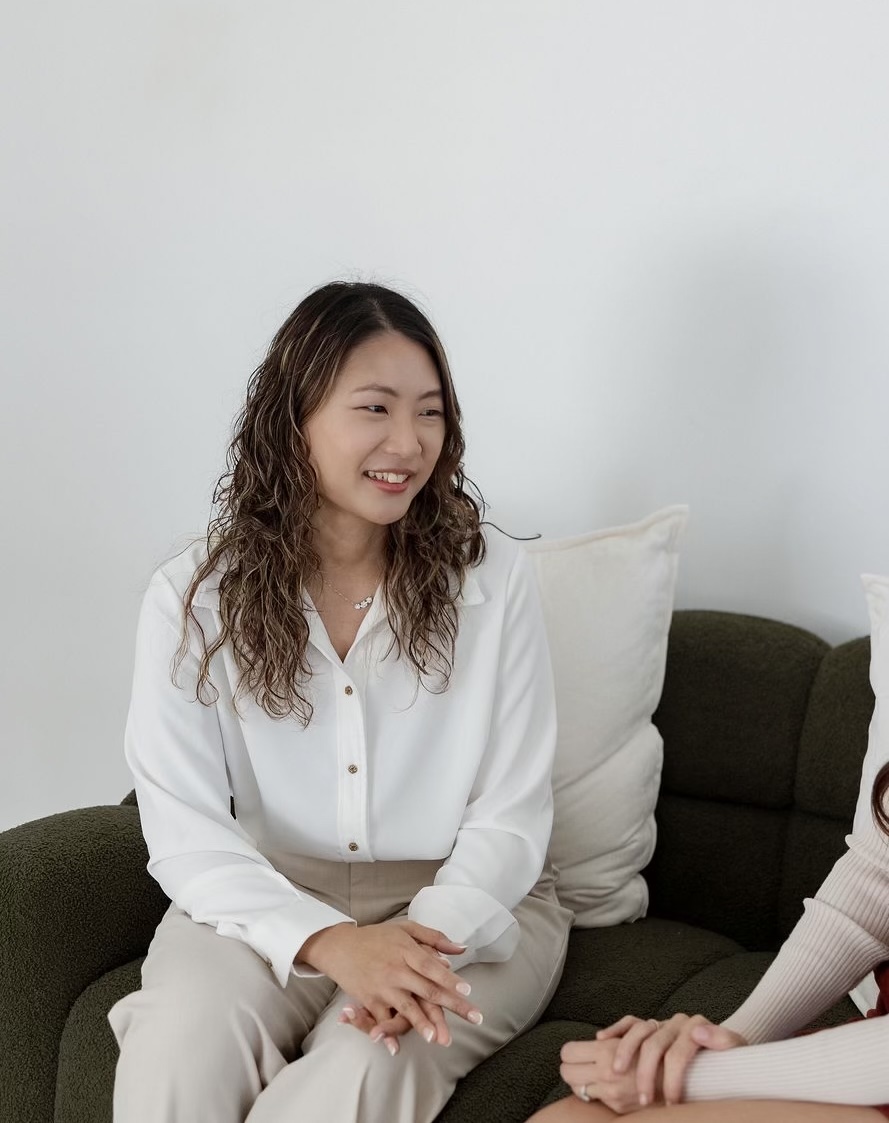
Q: We know every scientist has a unique story. What drew you to pursue a career in science?
I’ve always been drawn to the process of discovery and the challenge of solving problems that don’t have obvious answers. Research showed me that science is not just about following protocols — it’s about asking questions, exploring possibilities, and finding creative solutions.
That curiosity continued throughout my academic and professional journey, leading me from synthetic biology research to DNA diagnostics and biotechnology innovation.

Q:How do you navigate confidence and self-doubt in such a demanding field?
I think a lot of PhDs can relate to this challenge.
Sometimes that awareness can make it difficult to feel confident sharing ideas or speaking up. Sherine explained that many scientists, especially women PhDs, experience this same hesitation because of the pressure to be correct and prove their expertise.
Over time, she has learned to recognize that scientists often set extremely high standards for themselves and that sharing ideas is an important part of collaboration and growth.
Q: How do you manage productivity while protecting your mental well-being?
My relationship with productivity has changed over the years. I used to be the person who would push myself to do “just one more thing.” It helped me get where I needed to go, and I’m grateful for that version of myself.
As I’ve grown, I’ve learned that productivity is not constant. Different seasons in our careers and lives require different things from us.
Learning when to push forward and when to rest has become an important part of maintaining balance.
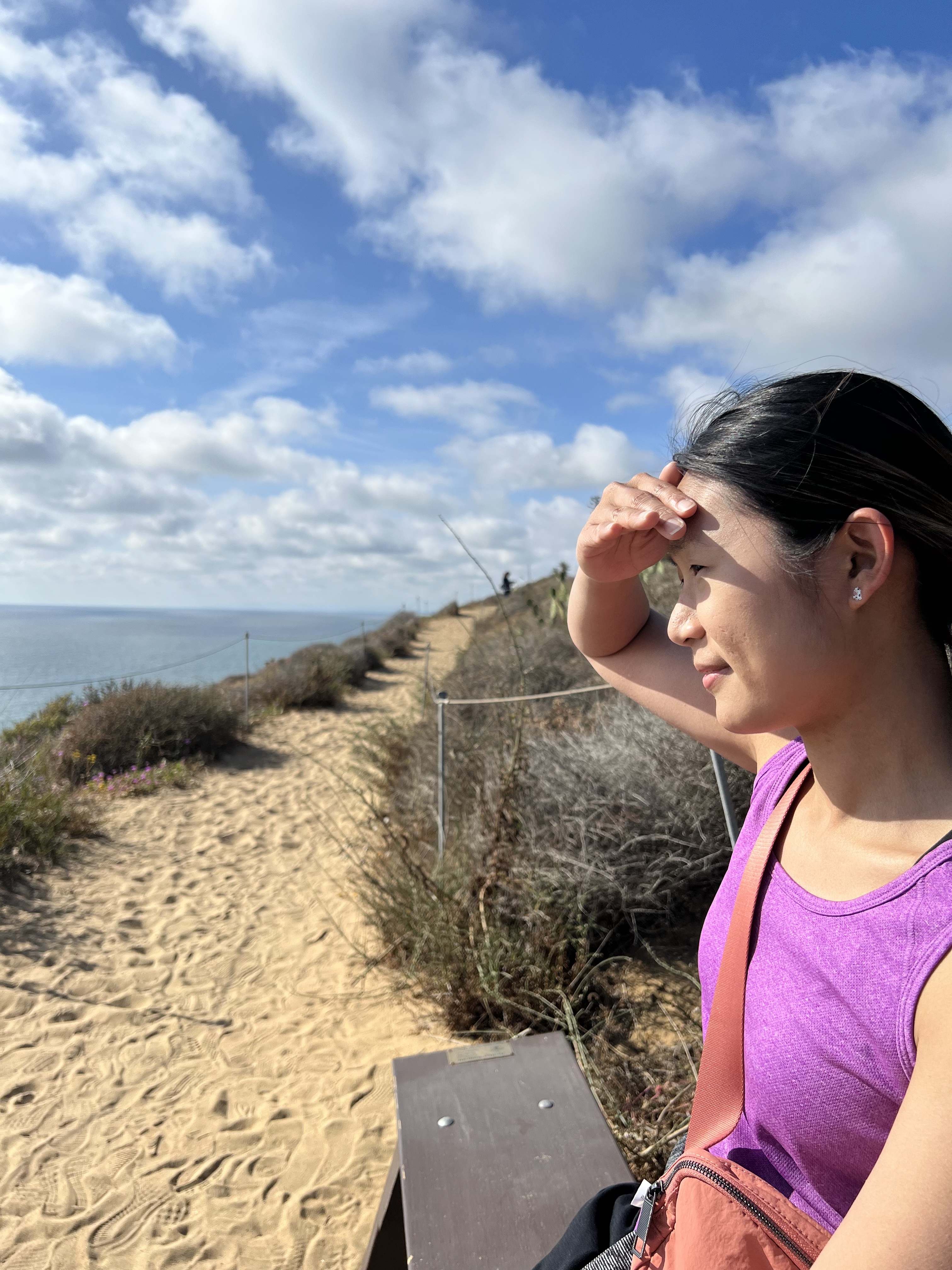
Q: What motivated you to start sharing your experiences in science on Instagram?
Honestly, I started Elevate PhD and my pagec@elevatephd because I wanted to be the support that I wish I’d had.
When I moved from my Ph.D. into industry, I realized there was a gap between being trained as a scientist and understanding how to successfully navigate an industry career. I looked for guidance on how other PhDs transitioned into industry and grew beyond their first role, but I struggled to find resources that addressed those challenges.
That experience inspired me to create the platform I was looking for. Everything I share through Elevate PhD is based on the lessons I wish someone had shared with me earlier — from self-advocacy and confidence to understanding the unwritten rules of industry.
Q: What kind of feedback or messages from your audience have stayed with you the most?
The feedback that means the most to me is some version of:
Many PhDs quietly experience similar challenges when moving from academia to industry. It can be easy to assume you’re the only one struggling when, in reality, many scientists are navigating the same transition.Being able to help someone feel less alone is what makes science communication so meaningful.
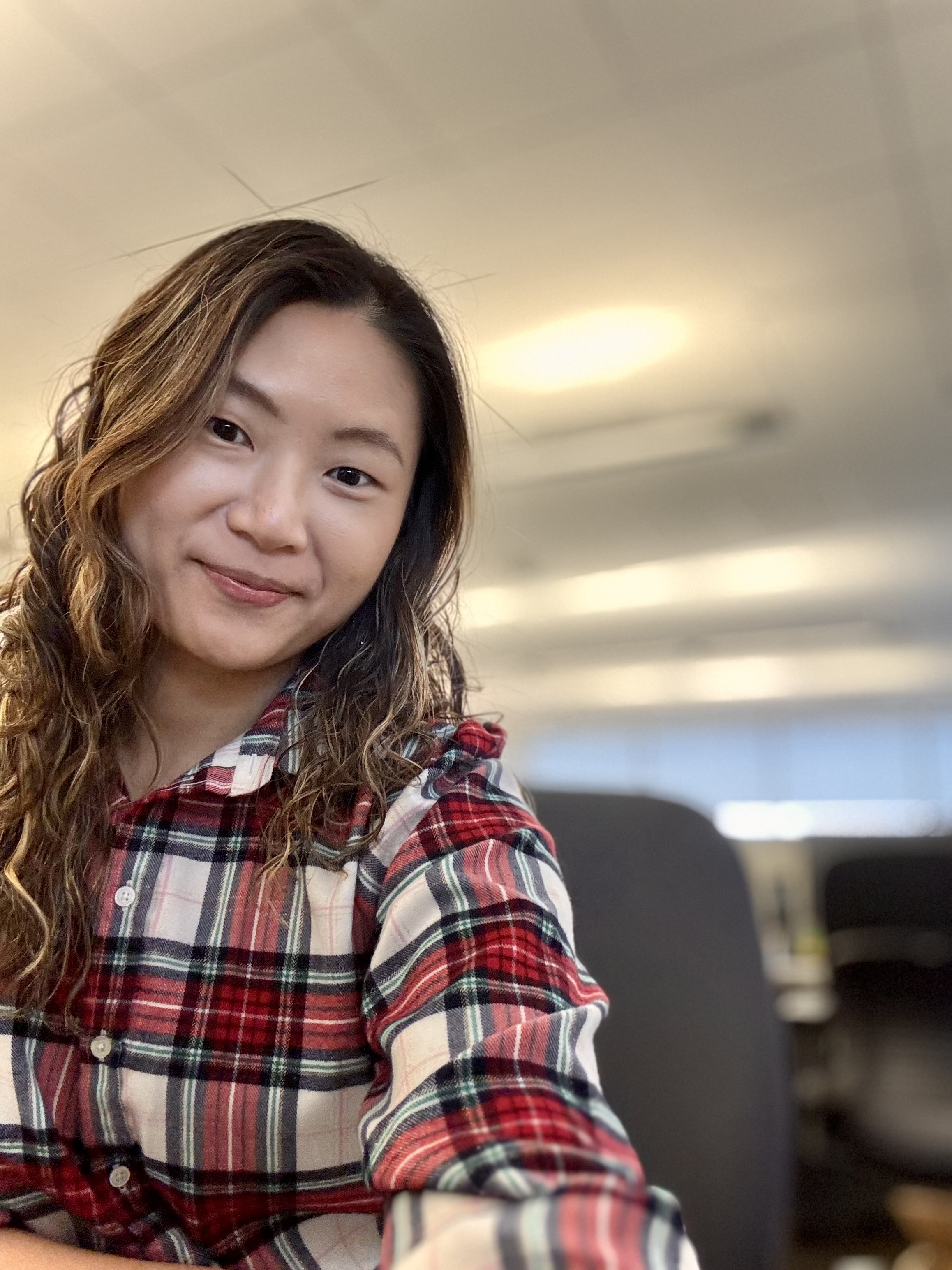
Q: When you’re not in the lab, how do you like to spend your time?
Outside of work, I enjoy activities that help me disconnect and recharge. As someone who is almost always in my head, I’ve been challenging myself to get out of my head and into my body. I enjoy doing a 30–45 minute workout or going for a walk as part of my end-of-workday routine.
I also love baking desserts and breads, playing cozy games, and crocheting. I was even one of those people who joined the sourdough craze during COVID!
Connecting with the Audience
A big thank you to Dr. Sherine Cheung for sharing her incredible journey and insights in this #SciComm interview! Her dedication to biotechnology, science communication, and supporting scientists through career transitions shows how important it is to make science more accessible, honest, and human.
Stay connected with Sherine and follow her journey through Elevate PhD!
--

If you'd like to be featured, message us on our instagram channel, @abm_good!
Educational resources for life scientists and interviews with scientists/science comunicators in the field.
For more in-depth articles, check out our knowledge base, which covers topics such as CRISPR, Next Generation Sequencing, PCR, Cell Culture, and more.
Blog managed by Applied Biological Materials (abm).
